
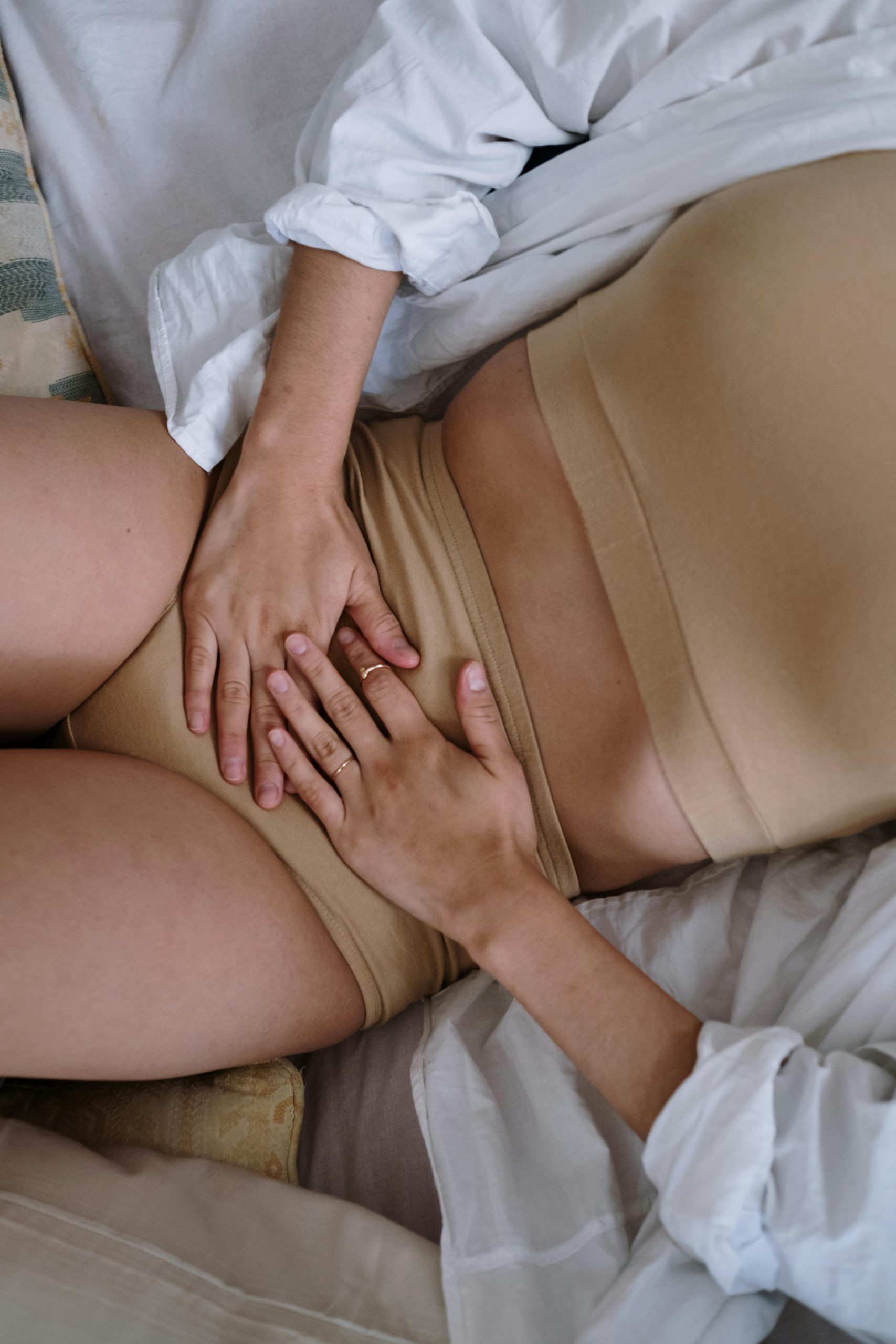
Every month, millions of women around the world experience menstrual pain, often referred to as dysmenorrhea. This pain can range from mild discomfort to severe cramps that interfere with daily activities. Effective pain management is crucial for maintaining quality of life during your period. Here’s why choosing the right approach to pain management is important and how it can make a significant difference in your well-being.
Understanding Menstrual Pain
Menstrual pain is typically caused by the contraction of the uterus as it sheds its lining. These contractions are triggered by hormone-like substances called prostaglandins. Higher levels of prostaglandins are associated with more intense pain and cramping. For some women, this pain can be accompanied by other symptoms like nausea, headaches, and fatigue.
Personalized Pain Management
Every woman’s experience with menstrual pain is unique, which is why a one-size-fits-all approach doesn’t work. Personalized pain management means finding what works best for your body and lifestyle. This could involve a combination of methods, from natural remedies to over-the-counter medications.
Natural Remedies
Many women prefer natural remedies for managing menstrual pain, as they often come with fewer side effects and promote overall well-being. Some popular natural methods include:
- Heat Therapy: Applying a heating pad or hot water bottle to your lower abdomen can help relax the uterine muscles and alleviate cramps. Heat increases blood flow, which can reduce pain and provide soothing comfort.
- Herbal Teas: Certain herbal teas, like chamomile, ginger, and peppermint, have anti-inflammatory and muscle-relaxing properties that can help ease menstrual cramps. Sipping on these teas throughout the day can provide gentle relief.
- Exercise: While it might be the last thing you feel like doing, light exercise can help reduce menstrual pain. Activities like yoga, walking, or gentle stretching increase blood flow and release endorphins, the body’s natural painkillers.
- Dietary Adjustments: Eating a balanced diet rich in fruits, vegetables, whole grains, and lean proteins can help reduce inflammation and pain. Some women find that reducing their intake of caffeine, sugar, and salty foods during their period can also make a difference.
Over-the-Counter Medications
For many women, over-the-counter (OTC) medications are a go-to solution for managing menstrual pain. Nonsteroidal anti-inflammatory drugs (NSAIDs) like ibuprofen and naproxen are effective at reducing prostaglandin levels and relieving cramps. These medications can be taken at the first sign of pain for the best results.
Prescription Options
In cases of severe menstrual pain, it might be necessary to consult a healthcare provider for prescription options. Hormonal treatments, such as birth control pills, can help regulate or even eliminate periods, leading to reduced pain. Other medications, like prescription NSAIDs or muscle relaxants, might be recommended for more intense pain relief.
Alternative Therapies
Alternative therapies, such as acupuncture and acupressure, have been shown to provide relief for some women. These therapies involve stimulating specific points on the body to reduce pain and improve overall health. They can be a good option for women looking for non-pharmacological pain management methods.
Emotional Support and Self-Care
Managing menstrual pain isn’t just about addressing physical symptoms. Emotional well-being plays a crucial role. Practices like mindfulness, meditation, and deep breathing exercises can help manage stress and provide a sense of control over your pain. Taking time for self-care, whether through a relaxing bath, reading a book, or spending time with loved ones, can also help you feel better emotionally and physically.
Conclusion
Choosing the right approach to pain management during your period is essential for your overall well-being. By exploring different methods—natural remedies, OTC medications, prescription options, and alternative therapies—you can find what works best for your body. Remember, effective pain management is not just about reducing pain; it’s about empowering yourself to live your life to the fullest, even during your period. Listen to your body, prioritize self-care, and don’t hesitate to seek medical advice if needed. You deserve to feel your best, every day of the month.
Phase: menstrual

With love, -The girls-